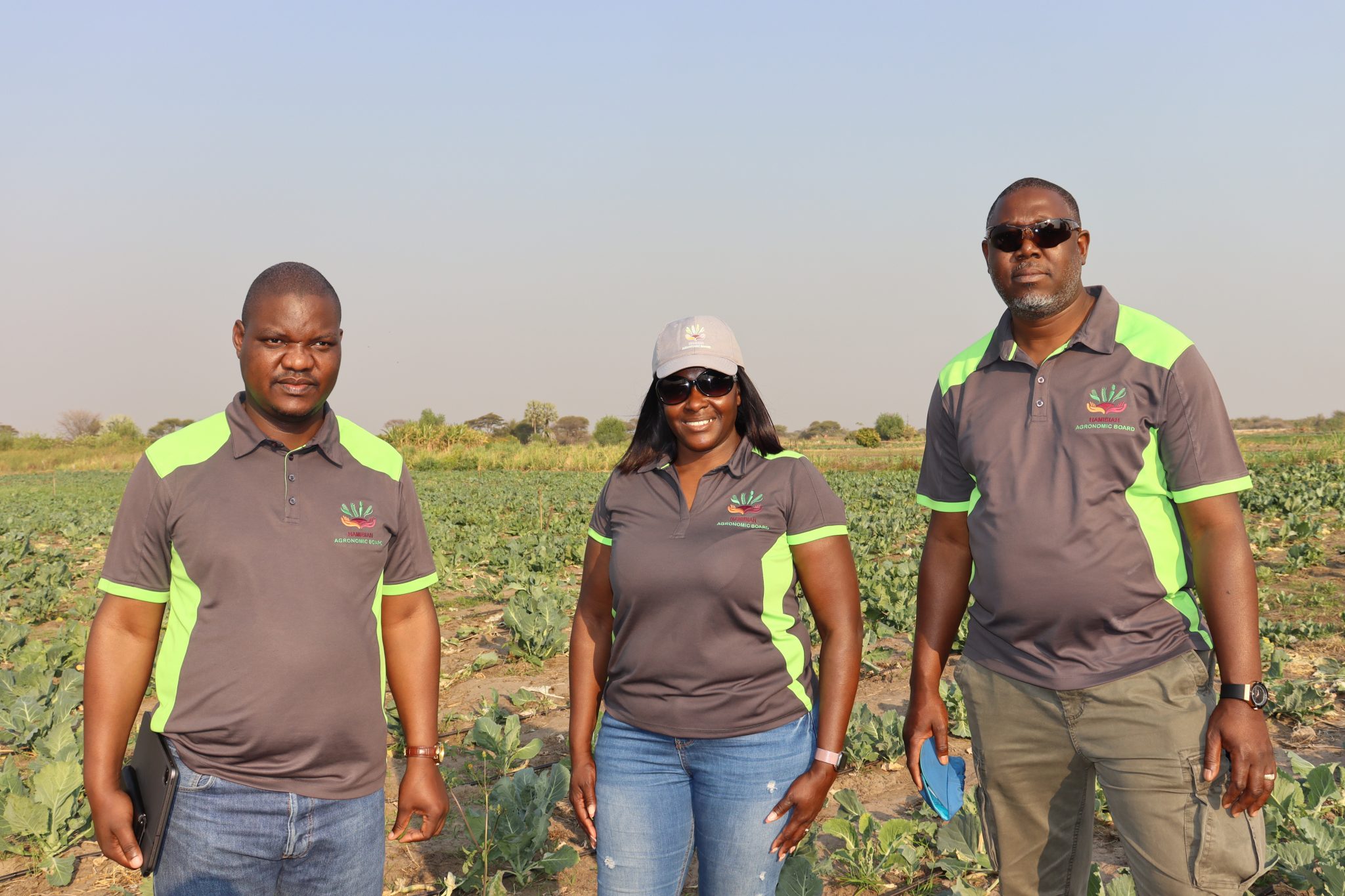
Ms. Lorna T. Shikongo-Kuvare joined the NAB as the General Manager: Regulations on 01 April 2021.
Lorna holds a Bachelor of Science in Agriculture degree from the University of Namibia, a Master of Veterinary Public Health from the University of Pretoria, and is currently completing her thesis for the Master of Business Administration at the Namibia Business School.
Prior to joining the NAB, Lorna worked as a Lecturer for various undergraduate courses at Ogongo Campus and as Manager for Quality Assurance at MeatCo. Furthermore, she has been at the center of the strategic development of the certification function at the Namibian Standards Institution for the past ten years. She has contributed to the functionality of Namibia’s National Quality Infrastructure, more specifically in the achievement of accreditation for the Certification of Quality Management System to ISO 9001:2015, the Certification of Food Safety Management System to ISO 22000, the recognition of the Food Safety System Certification 22000 Certification Scheme by the FSSC Foundation, the confirmation of auditor competence with SAATCA for both Quality Management System (QMS) and Food Safety Management System (FSMS).
Over the years, she has led the establishment of a fully-fledged Product Certification Scheme based on ISO/IEC 17065, leading to the certification of products and issuance of the Namibian Standards Mark of Conformity. Her previous experiences include the formulation of technical regulations, leading to their publication in the Government Gazette, and enforcement thereof.
Lorna is a well-known professional in the regional and international standardization structures, and earned significant standings representing Namibia as a member of the Southern African Development Community Cooperation in Accreditation (SADCA) from 2015 to 2021, as Chairperson of the SADCAS Advisory Committee for Certification Bodies Accreditation Scheme (CBAS) from 2018 to 2021, and as Co-Chair of the African Regional Organization for Standardization Conformity Assessment Committee (ARSO/CACO) from 2017 to 2021, and as a Member of the Conformity Assessment Committee of the International Organization for Standardization (ISO/CASCO) since 2011.
Lorna has facilitated trade facilitation partnerships through the conclusion of mutual recognition arrangements by the Botswana Bureau of Standards (BOBS) and South African Bureau of Standards (SABS) as an inspection body to certify Namibian products destined for trade in the Botswana and RSA markets.
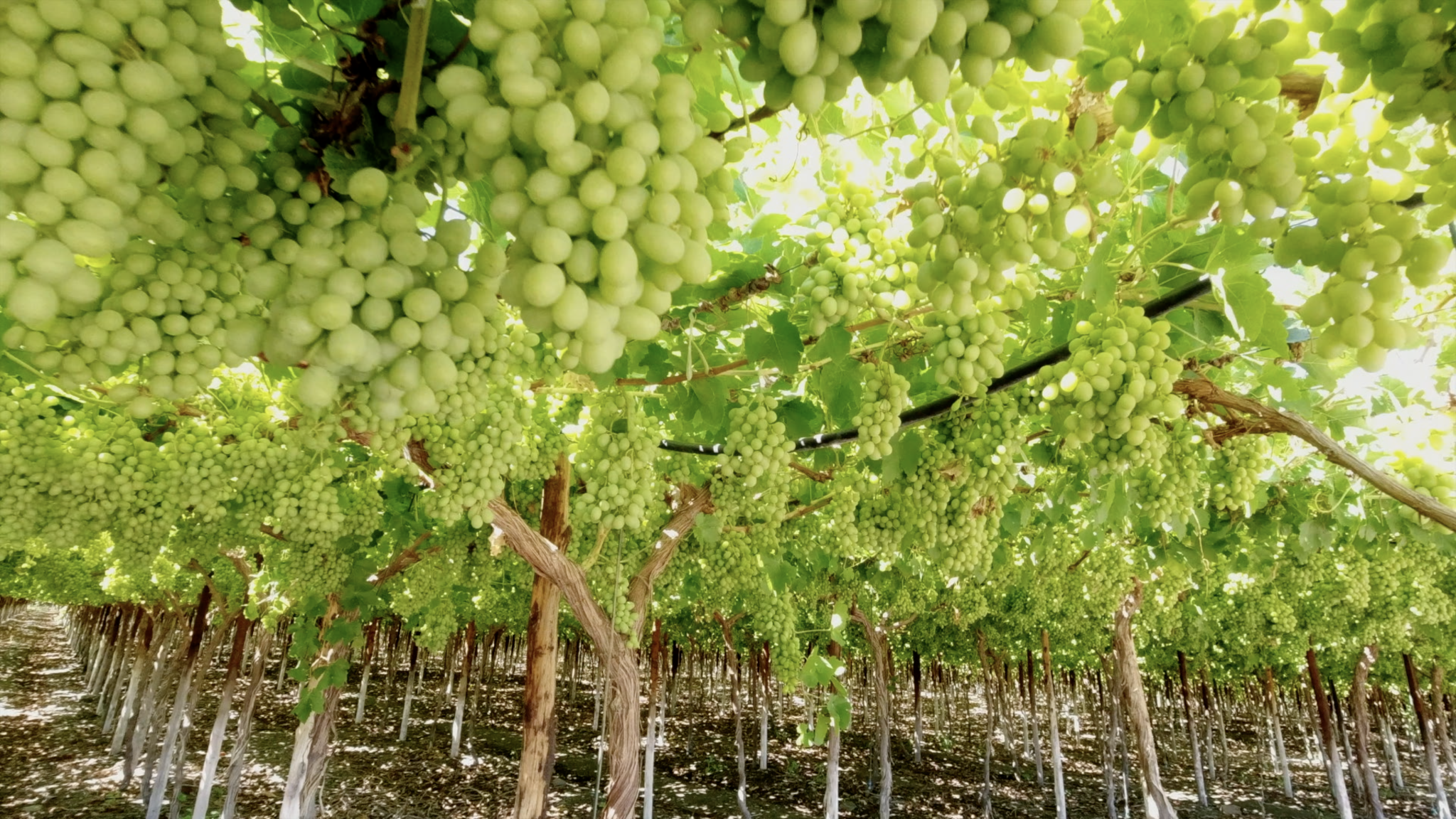
She has also contributed and overseen several standard development projects, amongst others the drafting and publication of standards regarding the marketing and commercial quality control of grapes and dates in Namibia.